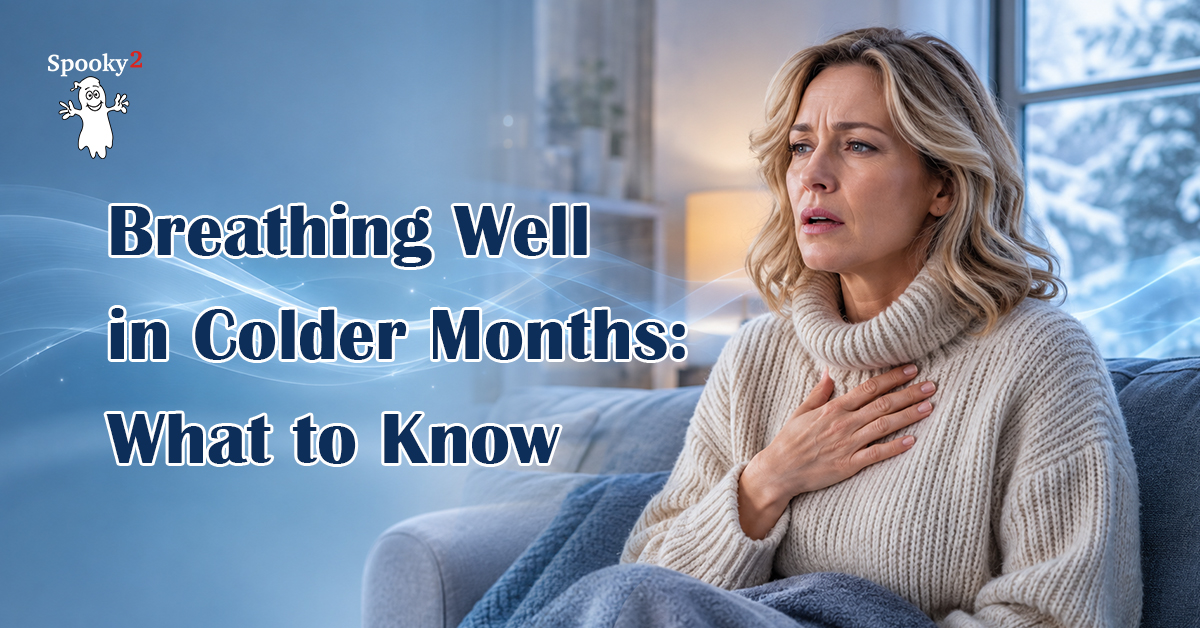
A lingering cough is easy to dismiss as just another seasonal nuisance. But changes in the way we breathe deserve more attention than that. With November marking Lung Cancer Awareness Month and World Pneumonia Day approaching on November 12, it is a good time to take a closer look at our respiratory health. Seasonal changes, age, and everyday environmental factors can all affect the way we breathe. Understanding these influences can help us make better choices and recognize when something isn’t right.
Why Winter?
Winter brings more than shorter days and chilly mornings. We tend to spend more time indoors, gather in enclosed spaces, and keep windows closed to stay warm. When ventilation is limited, respiratory infections can spread more easily. At the same time, indoor smoke, dust, and other airborne irritants can accumulate, affecting the quality of the air we breathe.
Cold, dry air can also make breathing less comfortable by irritating sensitive airways and triggering coughing, wheezing, or a feeling of tightness in the chest. This is especially noticeable in people with asthma or other chronic respiratory conditions. Their existing symptoms may become even harder to manage during colder months.
Age Is Another Factor
Our bodies change as we grow older, and our respiratory health is no exception. Respiratory infections can affect people of any age, but some groups are more vulnerable and face a greater risk of developing serious complications.
Young children, particularly those under five, are more vulnerable because their immune systems are still developing. Older adults, especially those aged 65 and above, also face a higher risk as immune responses naturally change with age. People living with chronic lung or heart conditions, diabetes, or weakened immune systems may need extra attention, too.
It’s also worth remembering that respiratory conditions don’t always show up the same way in everyone. In older adults, for example, an infection may not always cause an obvious fever. Instead, unusual weakness, reduced appetite, or new confusion may be among the signs that something is wrong. If you’re caring for young children or older family members, it is therefore vital to pay attention to changes in their usual behavior, energy levels, or breathing patterns.
Environmental Factors Not to Ignore
Have you ever stopped to notice the air you’re breathing? From cigarette smoke to household mold and dust, everyday environmental exposures can also affect your airways and overall respiratory health.
Smoke and Secondhand Smoke
Most of us know that cigarette smoke contains chemicals that can damage the lungs and weaken their natural defenses. But the risks aren’t limited to smokers. Secondhand smoke also exposes people nearby to many of the same substances.
The problem can be especially concerning in enclosed spaces. When someone smokes indoors or inside a car, smoke can build up and linger, especially when ventilation is poor. This means that family members, children, and others sharing the space may continue breathing in harmful substances even if they don’t smoke themselves. So keeping your home and car smoke-free is a simple but important step toward creating a healthier breathing environment.
Dust and Chemical Fumes
Dust from construction, sanding, and other activities, as well as fumes from paint and cleaning products, can irritate your airways. You may notice coughing, throat irritation, or wheezing, especially after prolonged exposure or when working in poorly ventilated spaces. Whether you encounter these materials occasionally or work with them regularly, always follow product instructions, keep the area well ventilated, and wear appropriate protective equipment to reduce exposure.
Mold and Dampness
Mold and dampness are easy to overlook because they often develop in places we don’t regularly check, such as room corners, behind furniture, or other covered areas. Even when mold isn’t immediately visible, exposure to mold spores can still affect your airways.
During winter, condensation, water leaks, and poorly ventilated rooms can create the right conditions for mold to grow. Exposure may trigger coughing, wheezing, and allergic reactions, particularly in people with asthma or mold allergies. Whenever possible, take a closer look at damp areas around your home, check for leaks, and keep moisture-prone spaces well ventilated to help prevent mold growth.
Indoor Air Quality
When temperatures drop, we naturally spend more time indoors with doors and windows closed. But have you ever thought about indoor air pollution? Cooking fumes, emissions from heating appliances, and dust can all affect the air quality inside your home. Without adequate ventilation, these pollutants can build up and affect the air we breathe.
Try to keep your home well ventilated when outdoor conditions allow, maintain your heating and ventilation systems regularly, and vacuum rooms to reduce dust. Small changes like these can go a long way toward creating a fresher and more comfortable breathing environment.
A Few More Tips for Respiratory Wellness
Beyond reducing environmental exposures, a few simple daily habits can also help you stay comfortable and look after your respiratory health during colder months:
- Stay Hydrated
Drinking enough water throughout the day helps keep mucus from becoming too thick, making it easier for your body to clear respiratory secretions. Remember to drink regularly, even when cold weather makes you feel less thirsty. - Use Humidifiers Mindfully
Indoor heating can make the air feel particularly dry during winter, sometimes causing dryness in your nose and throat. A humidifier can help add moisture to the air and make your indoor environment more comfortable. However, avoid excessive humidity. Keep indoor humidity around 30–50%, and clean your humidifier regularly to prevent mold and bacteria from building up. - Wear Appropriate Face Coverings
If you spend time in dusty environments, wear a properly fitted mask or respirator suitable for the particles you’re exposed to. When spending time outdoors in cold weather, covering your nose and mouth can help reduce irritation, making it more comfortable for sensitive airways.
Warning Signs You Shouldn’t Ignore
Your lungs support you with every breath. This winter, give them the attention they deserve. Taking care of your respiratory health means reducing avoidable exposures, recognizing warning signs, and knowing when to seek professional care.
A cough or runny nose may seem like a normal part of winter, but certain symptoms deserve closer attention, especially when they persist or get worse. Watch for these signs:
- A persistent or worsening cough: A cough that doesn’t seem to improve, becomes more severe, or comes with unusual mucus or blood deserves serious attention.
- Shortness of breath or wheezing: Notice whether breathing feels harder than usual, even during everyday activities. New or worsening breathing difficulties shouldn’t be ignored.
- Fever and chills: These can accompany respiratory infections, including pneumonia, especially when combined with a persistent cough or breathing difficulties.
- Chest pain: Pain that becomes worse when breathing deeply or coughing can be a sign of an underlying respiratory problem.
- Unusual fatigue or weakness: Feeling unusually exhausted, weak, or unable to manage your normal daily activities may be another sign that something isn’t right.
- New confusion: This is particularly important in older adults. Sudden confusion or changes in alertness can be an important warning sign and should not simply be dismissed as a normal part of aging.
Always listen to your body. Don’t assume that breathing difficulties are simply caused by cold weather or wait until symptoms become severe before seeking help. And severe difficulty breathing, blue or gray lips or skin, or sudden confusion requires emergency medical attention.