
Clicky
Dark Light

How to Detox Microplastics from Your Body Safely Leave a comment

Share this:

Have you ever wondered how much plastic your body is currently carrying? It’s not just in the ocean or on the beach. Microplastics—tiny plastic fragments less than 5 millimeters—have been found in human blood, lungs, liver, and even the placenta. We inhale them from city dust, ingest them through plastic-packaged food, and absorb them through skincare and cosmetics.

You may not feel it today, but studies suggest they could be quietly affecting your health—disrupting hormones, irritating blood vessels, and weakening the immune system. So the question is: can we do something about it? In this article, we’ll explore where microplastics come from, how they enter the body, what science says about their risks, and how some people are gently supporting their detox process using frequency-based methods—step by step, with awareness and care. Let’s start by understanding where these invisible invaders come from.

Where Do Microplastics Hide in Your Daily Life?

Plastic is everywhere, and it’s not just about straws or bags anymore. Microplastics—tiny plastic pieces smaller than 5 millimeters—can come from almost anything: food packaging, synthetic clothes, car tires, even face scrubs and creams. Some break down into larger plastic waste. Others are added on purpose, like microbeads in exfoliants or building materials. But where it gets personal is how these particles get into our bodies.

Researchers have identified three main ways:
  1. Ingestion – the most common route.
    We eat food wrapped in plastic, drink bottled water, use plastic cooking utensils, and sometimes grow crops in soil that already contains microplastics from fertilizers. Studies show bottled water can contain up to 22 times more microplastics than tap water.
  2. Inhalation – they’re in the air.
    These tiny particles can float in the air and be carried by city dust, car brakes, ocean spray, or landfills. If you live in a city or work near roads or factories, you’re likely breathing them in without knowing it.
  3. Skin Contact – yes, even through the skin.
    While the skin is a great barrier, new research suggests that ultra-small plastics—especially those in creams or lotions—can enter through damaged skin, hair follicles, or sweat glands. This is especially true if your skincare products contain plastic-based ingredients.

It’s a quiet kind of exposure. You can’t feel it. You can’t see it. But it adds up over time.

What Are the Health Risks Associated with Microplastics?

So now we know that microplastics can get into our bodies—but what happens next? Researchers have already found these tiny plastic pieces in the blood, lungs, liver, kidneys, and even the placenta. That means they can move around inside us and may stay in the body for a long time.

Here’s why that matters:
  • They may affect your blood flow
    Microplastics in the bloodstream can irritate blood vessels. Some studies suggest this might increase the chance of things like inflammation or circulation problems over time.
  • They carry unwanted chemicals
    Many plastics contain added chemicals to make them softer or more durable. These can sometimes disrupt the body’s natural balance, especially if they build up little by little.
  • They don’t break down easily
    Once inside, microplastics aren’t something your body can easily flush out. Some may stick around in tissues for years, slowly adding stress to the immune and detox systems.

Even the environment is reacting in strange ways. Scientists have found that microplastics in the air might even help form clouds, changing weather patterns in ways we don’t fully understand yet. In short: Microplastics are small, but they can have a bigger impact than we once thought. They’re not just in our surroundings—they’re now part of our daily inner world too.

How to Reduce and Release Microplastics from Your Body

You may not be able to avoid microplastics completely—but you can do two important things:

Reduce how much comes in. Help your body let go of what’s already there.

Let’s start with what you can control:
  1. Choose glass or stainless steel bottles instead of plastic ones
  2. Eat more fresh foods and fewer plastic-wrapped snacks
  3. Use natural fabrics like cotton instead of synthetic clothes
  4. Avoid plastic utensils, especially for hot food
  5. Check personal care products for plastic beads or “poly-” ingredients

These habits don’t require perfection—but every small shift helps lower the load. Still, even with the best habits, microplastics can find their way in—through the air, through dust, or even through food grown in contaminated soil. That’s why some people go a step further: They don’t just try to avoid microplastics.They try to release them.

This is where frequency-based detox comes in. It’s a gentle method used to support the body’s natural ways of clearing out what doesn’t belong—by helping the cells “remember” how to process and move out stored waste, including plastics. Some use frequency devices at home to make this part of their routine. One of them is called Spooky2, a system that offers detox programs focused on plastics, toxins, and organ support. It doesn’t force the body. Instead, it creates a quiet environment where natural cleanup can happen more smoothly. When avoiding isn’t enough, supporting your body becomes the next best step.

How to Use Frequency Therapy to Remove Microplastics

If you’re looking for a safe and gentle way to help your body clear out microplastics, frequency therapy is one option many people are exploring. It works by delivering specific frequencies to the body, helping cells recognize and release unwanted substances—like plastics and the chemicals they may carry. If you’d like to try this at home using the Spooky2 frequency therapy system, here’s how to get started:

Step 1: Download the Free Spooky2 Software

Before you begin, you’ll need the Spooky2 software.

Step 2: Choose a Detox Program

Spooky2 offers many detox programs that help the body clear out toxins, heavy metals, and chemical residues—which may also support the removal of microplastics. We’ll walk you through how to do this using Remote Mode—a popular method that doesn’t require physical contact. You can run it while you sleep, work, or relax.

There are two easy ways to find relevant microplastic detox programs:
Option 1: Use the Preset Tab
  1. Open the Spooky2 Software
  2. Go to Preset Collections
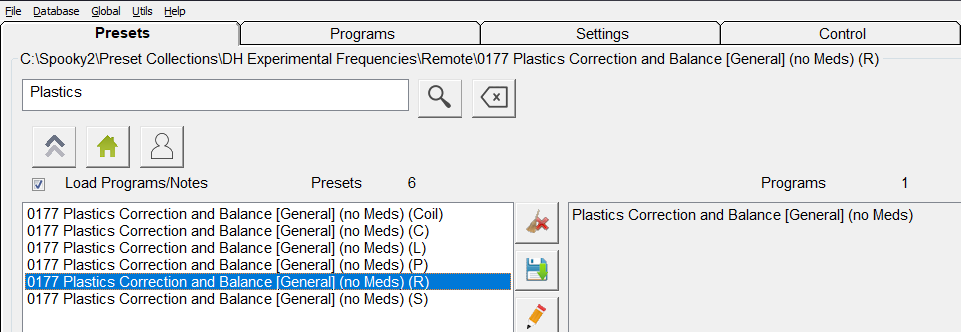
  3. Navigate to: DH Experimental Frequencies > Remote > 0177 Plastics Correction and Balance [General] (no Meds) (R)

This preset was designed to support the body in dealing with general plastic-related imbalances.
Option 2: Use the Program Tab
  1. Go to the Programs tab
  2. Search for the keyword “Plastics”
  3. You can choose and run programs such as: Detox Plastics 2 (XTRA), Plastics Detox (XTRA)
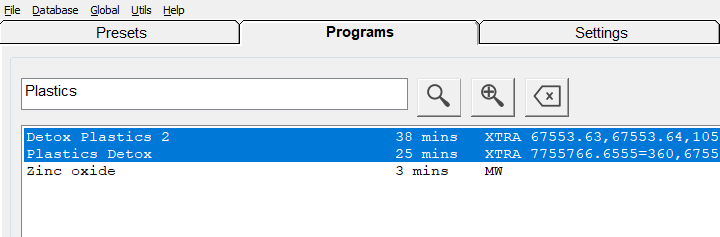
You can select any remote, contact, or plasma mode that fits your setup—but we recommend starting with Remote Mode for its ease and comfort.

💡 Tip: Add Supporting Programs

While there isn’t one single frequency for “microplastics,” many users find it helpful to run general detox programs—especially those that support the organs responsible for clearing waste.

Here are a few commonly used options:
  • Detox (Toxin Extraction) (ETDF)
  • Detox (Liver, Kidneys, Lymph, Intestine, Lung) (ETDF)
  • Detox of Chemical Substances (BIO)
  • Detox 3 Toxins in the Kidneys and Liver (PROV)
  • Detox 4 Toxins Throughout the Body (CAFL)
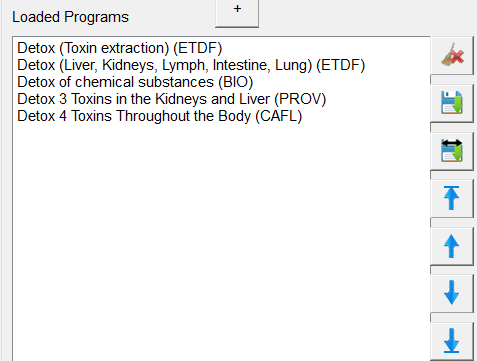
These programs don’t target plastics directly—but they can support your body in processing and removing the kinds of toxins and chemical residues that often come along with plastic exposure. Of course, this is just a starting point.
Spooky2 has a wide library of detox programs, and everyone’s needs are different—so we encourage you to explore what fits your body best. To dive deeper, here are a few helpful blog posts that explain detox in more detail:

These guides offer step-by-step suggestions and common tips from experienced users. The more you learn about your own detox needs, the more effectively you can support your body—gently, and at your own pace.

Monitor and Adjust

Everyone’s body reacts differently.
  • Start slow
  • Watch how you feel
  • Adjust your sessions as needed

For best results, repeat your detox plan regularly and stay hydrated to help your body flush out what’s being released.

Conclusion

Microplastics are part of the world we live in—but that doesn’t mean they have to stay in us. With a few mindful choices and gentle, consistent support, we can help our bodies release what no longer serves us. At Spooky2, our mission is simple: to help people take back control of their own health. Through frequency therapy and education, we aim to make natural, non-invasive solutions accessible to everyone—so more people can live long, fulfilling lives with strength, clarity, and peace of mind.

If you’re just beginning your detox journey, remember: this isn’t about being perfect. It’s about being present—learning what works for your body, listening to it carefully, and giving it tools that support healing from the inside out. We’re honored to walk this path with you, as part of a growing family that believes health should be guided by love, honesty, and the shared hope for a better, cleaner future.

Share this:

Leave a Reply

Your email address will not be published. Required fields are marked *

X
Mini Cart 0

Your cart is empty.