
Menopause is more than a moment when a woman’s periods stop and a new stage of life begins. In reality, the transition starts much earlier. Long before the final menstrual period, a series of changes may already be taking place. And this earlier stage is called perimenopause.
For some women, the changes are subtle. For others, they can affect various aspects of daily life, from sleep and energy to mood and concentration. In this article, we’ll explore the signs of perimenopause, explain what may be happening in the body, and share practical lifestyle tips to help you navigate the transition with greater confidence.
What Is Perimenopause?
Menopause itself is defined as the point at which a woman has gone 12 consecutive months without a menstrual period, provided there is no other explanation for the absence of menstruation.
And perimenopause is the transitional stage leading up to menopause, when the body gradually approaches the end of its reproductive years. It may last several years, and its timing and duration vary from person to person. Many women begin experiencing these changes in their 40s, although the transition can start even earlier.
During this time, ovarian hormone levels, particularly estrogen and progesterone, fluctuate considerably. Estrogen levels generally decline as menopause approaches, while progesterone production becomes less consistent as ovulation becomes irregular. These hormonal shifts can affect menstrual cycles and influence various systems throughout the body.
- Early perimenopause: Your periods may still arrive regularly, but the length of your menstrual cycle may begin to change. You might also notice subtle differences in sleep, mood, or energy.
- Later perimenopause: Periods may become increasingly irregular, with longer gaps between them. Hot flashes, night sweats, and sleep disturbances may become more noticeable, although some women experience relatively few symptoms.
- Menopause: Once you have gone 12 consecutive months without a period, you have reached menopause. The years that follow are known as postmenopause.
Because perimenopause develops gradually, its early signs can be easy to overlook. Changes in sleep, mood, or menstrual patterns may be attributed to stress, a busy lifestyle, or simply getting older. Recognizing these patterns early can help women better understand their changing bodies and navigate the transition more confidently.
Five Signs of Perimenopause to Watch For
1. Your Menstrual Cycle Is Changing
One of the earliest signs of perimenopause is a change in your menstrual cycle. Your periods may arrive earlier or later than expected, become lighter or heavier, or occasionally be skipped.
This happens partly because ovarian function begins to change, making ovulation less predictable. And the levels of estrogen and progesterone, which help regulate the menstrual cycle, can fluctuate more widely.
2. Your Sleep Feels Different
You may find yourself waking more frequently during the night, struggling to fall asleep, or feeling tired even after getting enough hours of sleep. Some women also begin experiencing night sweats or waking with a sudden sensation of heat.
Estrogen plays a role in the body’s temperature-regulation system. As hormone levels fluctuate, the body’s temperature control may become more sensitive, making even small changes in core body temperature more likely to trigger hot flashes and sweating. These episodes can interrupt sleep, sometimes repeatedly throughout the night. Disrupted sleep can then contribute to daytime fatigue and irritability, making other perimenopause symptoms more difficult to manage.
3. Your Mood and Stress Tolerance Have Shifted
Perhaps you feel more irritable than usual, become more easily overwhelmed by situations you once handled with ease, or experience sudden periods of anxiety or low mood. You may also notice that your emotional responses feel less predictable.
During perimenopause, fluctuating hormone levels may affect the brain’s mood-regulation systems, including those associated with serotonin. Changes in sleep, ongoing stress, and a history of mood-related difficulties can also contribute to these emotional changes.
4. Your Concentration and Energy Are Less Consistent
You might find yourself losing your train of thought more often or finding it harder to multitask than you used to. Your energy levels may also become less predictable, with days when your usual routine suddenly feels more demanding.
These changes happen as estrogen plays a role in brain processes involved in memory, attention, and other aspects of cognitive function. As with other perimenopause symptoms, disrupted sleep, stress, and fatigue can also affect how clearly you think and how energetic you feel. For this reason, brain fog and tiredness may appear together. You might notice that tasks requiring sustained concentration feel particularly difficult after a restless night.
5. Your Body Responds Differently to Heat and Other Changes
Hot flashes are among the most recognizable symptoms of perimenopause. They can appear as a sudden wave of warmth around the face, neck, or chest, sometimes accompanied by sweating, skin flushing, or an increased heart rate.
The hypothalamus, a region of the brain that helps regulate body temperature, becomes more sensitive to temperature changes during this transition. Fluctuating and declining estrogen levels narrow the range of body temperatures the body comfortably tolerates. As a result, even small increases in core body temperature may trigger cooling responses, such as the widening of blood vessels near the skin and sweating.
You may also notice other “midlife changes,” such as shifts in body composition or joint comfort. Muscle mass may gradually decrease, body fat distribution may change, and you may need more time to recover after exercise.
Tips for a Smoother Transition
Instead of viewing these changes as a farewell to your former self, embrace this transition as an opportunity to reconnect with yourself, discover what your body truly needs, and find harmony with this new rhythm.
1. Track Your Cycle and Symptoms
You don’t have to overhaul your routine all at once. Keeping track of these changes can help you better understand your body’s changing rhythms and make thoughtful adjustments.
Start with a simple daily record. Note when your period begins and ends, how well you sleep, your energy levels, mood changes, and any hot flashes or night sweats. After several weeks, you may begin to notice patterns. Do you sleep worse during certain parts of your cycle? Are you more likely to feel overwhelmed on certain days or after particular events? Do certain foods or activities seem to coincide with hot flashes?
2. Make Your Sleep Environment Work for You
Getting restful sleep may become more challenging during this transition. Therefore, maintaining a consistent sleep-wake schedule and establishing a relaxing bedtime routine can be especially helpful. If you also experience night sweats, try breathable sleepwear, lightweight bedding, and a cooler bedroom. Keep a fan or a glass of water nearby if that makes you more comfortable.
Pay attention to your caffeine and alcohol intake as well, as both can affect sleep quality. Alcohol may also worsen night sweats for some women. Try reducing your intake or adjusting when you consume them to see whether you notice a difference.
3. Combine Aerobic and Strength Training
You don’t need to begin with an ambitious routine. A daily walk and two short strength-training sessions each week can be a practical starting point.
As your body composition and recovery needs may change during perimenopause, regular exercise becomes especially important. Aerobic exercise helps maintain cardiovascular fitness and overall well-being. Strength training helps preserve muscle mass and strength, while weight-bearing activities support bone health.
4. Build Meals Around Balanced Nutrition
Rather than following a restrictive diet in response to midlife weight changes, focus on sustainable eating habits that support your energy, muscle health, and overall well-being.
Aim for a varied diet that includes calcium-rich foods, such as yogurt, milk, or fortified alternatives, and ensure adequate vitamin D intake to support bone health. Including protein-rich foods, such as eggs, fish, beans, or lean meat, in each meal can help maintain muscle mass as you age. Meanwhile, fiber-rich foods, such as vegetables, fruits, and whole grains, can support digestive health and help you feel satisfied after meals.
5. Create Small, Repeatable Stress-Relief Rituals
When your mood or stress tolerance feels less predictable, simple routines can help create a sense of stability and security. Some may enjoy a short walk in the park, others may prefer a quiet mindfulness practice, while still others may find comfort in conversations with trusted family and friends.
Whatever approach feels right for you, the goal is to create opportunities to pause, unwind, and recharge, rather than fighting against your feelings or waiting until you feel completely exhausted.
Embracing a New Chapter
Every woman’s experience of perimenopause is unique. Some days may feel familiar, while others bring unexpected changes. What matters is learning to listen to your body, understand its needs, and give yourself room to adapt in this new chapter of self-discovery and care.
Explore Spooky2 Frequency Technology
-
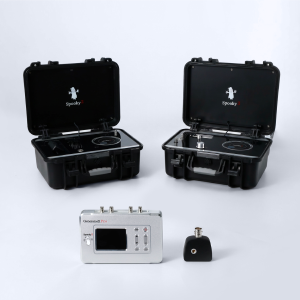
Spooky2 Scalar GeneratorX Pro Essential Kit
$2,288.00 – $2,457.00Price range: $2,288.00 through $2,457.00 This product has multiple variants. The options may be chosen on the product page -

Spooky2 Portable Central Plasma GeneratorX Pro Kit
$2,828.38 – $3,128.38Price range: $2,828.38 through $3,128.38 This product has multiple variants. The options may be chosen on the product page

-
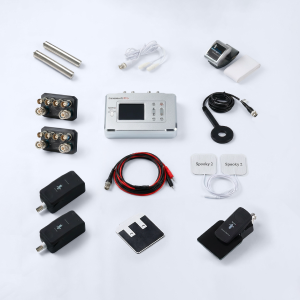
Spooky2 Scalar GeneratorX Pro Essential Kit
$2,288.00 – $2,457.00Price range: $2,288.00 through $2,457.00 This product has multiple variants. The options may be chosen on the product page -
Spooky2 Portable Central Plasma GeneratorX Pro Kit
$2,828.38 – $3,128.38Price range: $2,828.38 through $3,128.38 This product has multiple variants. The options may be chosen on the product page
Disclaimer: Spooky2 products are not medical devices and are not intended to diagnose, treat, cure, mitigate, or prevent any disease or medical condition. Always consult a qualified healthcare professional regarding any medical condition.