
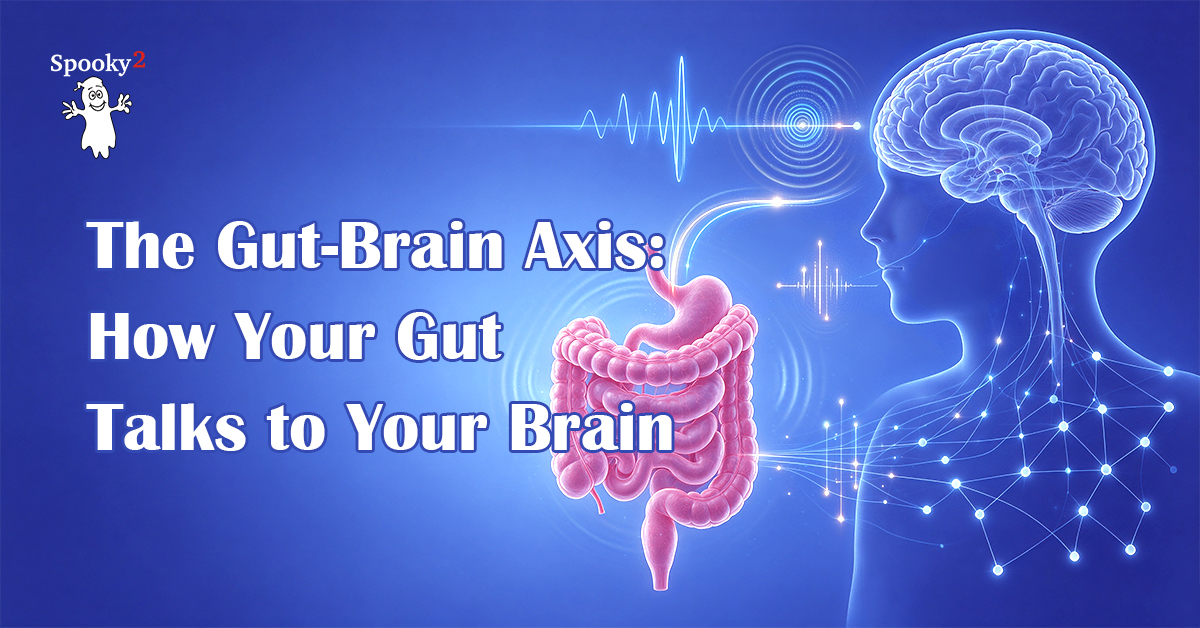
Have you heard of the gut-brain axis? It refers to a complex communication network that connects your digestive system with your brain. In this article, we’ll explore how this connection works, how it influences everyday well-being, and what practical steps you can take to support a healthier gut-brain connection.
How Does the Gut-Brain Axis Work?
The gut-brain axis is a two-way communication network connecting the central nervous system (CNS), which includes the brain and spinal cord, with the gastrointestinal (GI) tract. The gut and brain exchange information through several interconnected pathways, including the vagus nerve, chemical messengers, and immune and hormonal signals. Together, these pathways allow the digestive system and brain to continuously exchange information and respond to changes within the body.
The Vagus Nerve
The vagus nerve is one of the most important communication pathways connecting the brain with internal organs, including the digestive tract. Many of its nerve fibers carry information from the body toward the brain, transmitting signals about digestive activity, nutrient availability, and internal sensations. For example, after eating, signals from the digestive system travel through the vagus nerve to help inform the brain about stomach fullness and digestive activity.
Neurotransmitters and Chemical Messengers
Communication between the gut and brain also involves neurotransmitters, the chemical messengers that help nerve cells communicate.
One well-known example is serotonin, which plays an important role in regulating mood, sleep, appetite, and intestinal activity. A large proportion of the body’s serotonin is produced in the gastrointestinal tract, where it primarily helps regulate digestive functions. Although gut-produced serotonin does not directly cross the blood-brain barrier, it can influence gut-brain communication through interactions with intestinal nerves, immune cells, and other signaling pathways.
The gut microbiome also contributes to this chemical communication. Certain gut bacteria break down dietary fiber and produce substances called short-chain fatty acids (SCFAs), including acetate, propionate, and butyrate. These metabolites interact with intestinal cells and immune pathways, influencing processes involved in gut-brain signaling.
Immune and Hormonal Signaling
The immune system provides another important communication pathway between the gut and brain. Immune cells in the digestive tract respond to microorganisms and changes in the intestinal environment by releasing signaling molecules, such as cytokines. These signals can interact with the nervous system and influence communication between the gut and brain.
Hormones also play a role in this relationship. For example, during stressful situations, the hypothalamic-pituitary-adrenal (HPA) axis helps coordinate the body’s stress response. This involves a series of signals between the hypothalamus, pituitary gland, and adrenal glands, ultimately leading to the release of cortisol. Cortisol helps the body respond to challenging situations, but it can also influence digestive activity. This is one reason stress may be accompanied by changes in appetite, gut movement, or digestive comfort.
How Does It Influence Everyday Wellness?
The gut-brain axis plays a role in many everyday experiences, even when the connection isn’t immediately obvious.
Stress and Digestion
You may have experienced stomach discomfort before an important presentation, interview, or difficult conversation. When your brain perceives stress, it activates physiological responses that can affect digestive movement, secretion, and sensitivity. Some people notice increased bowel activity, while others experience a temporary loss of appetite or a feeling of tightness in the stomach.
These are familiar examples of how emotional stress can produce physical sensations in the digestive system. Prolonged stress may also contribute to more persistent changes in appetite and digestive patterns.
Mood and Emotional Well-Being
Communication between the gut and brain goes both ways. Just as emotional experiences can affect digestion, signals from the digestive system can also influence brain activity through neural, immune, metabolic, and hormonal pathways.
The gut microbiome plays a particularly interesting role in this relationship. Gut microorganisms produce metabolites and interact with signaling pathways involved in gut-brain communication. Researchers are continuing to investigate how these processes may influence mood and emotional well-being.
Sleep and Daily Rhythms
Your digestive system follows natural daily rhythms influenced by sleep, meal timing, and your body’s internal clock. For example, you may notice changes in your usual appetite after a restless night.
Irregular sleep schedules and eating patterns can affect digestive activity and may influence the composition of the gut microbiome. At the same time, digestive discomfort can interfere with restful sleep, creating a two-way relationship between sleep and digestive well-being.
Appetite and Food Preferences
Your gut and brain work together to regulate hunger, fullness, and eating behavior. Hormones released by the digestive system before, during, and after meals send signals that help your brain recognize when you’re hungry and when you’ve had enough.
Your nutritional status may also influence certain cravings. For example, a persistent craving for ice, known as pagophagia, can be associated with iron deficiency.
Emotions can also influence food choices. Stress or boredom may lead some people to crave comfort foods, while anxiety may temporarily suppress their appetite. These experiences highlight how closely our physical needs, emotional state, and eating habits are connected.
How to Support a Healthy Gut-Brain Connection
Supporting a healthy gut-brain connection goes beyond simply eating healthy foods. Paying attention to your daily habits, emotional experiences, and digestive responses can help you better understand your body’s patterns. Here are some practical approaches to try.
Keep a Food, Mood, and Digestion Journal
Start by observing how different foods and daily experiences relate to how you feel. For one to two weeks, keep a simple journal that tracks:
- What you eat: Record foods, ingredients, approximate portions, and meal times.
- How you feel physically: Note any bloating, stomach discomfort, bowel changes, or changes in appetite.
- Your emotional state: Note whether you feel relaxed, anxious, frustrated, tired, or particularly happy.
- When changes occur: Record how soon after eating you notice a physical or emotional shift and how long it lasts.
For example, you might notice that a particular meal is followed by bloating or that drinking several cups of coffee on an empty stomach coincides with stomach discomfort or nervousness. Over time, these observations may help you recognize recurring patterns and make more informed choices.
Identify Situations That Trigger Gut Stress Responses
Food isn’t the only factor that influences digestion. Your emotional state and daily experiences can also affect how your gut feels and functions.
Using the same journal, pay attention to situations that coincide with digestive changes, such as:
- Important meetings, presentations, or public speaking.
- Difficult conversations or interpersonal conflicts.
- Traveling, being away from home, or changes in routine.
- Feeling overwhelmed by deadlines or daily responsibilities.
- Anticipating an important or stressful event.
Record what happened, how you felt beforehand, and whether you noticed any changes in digestion.
For instance, you might find that your stomach feels unsettled before Monday morning meetings but settles down during the weekend. Recognizing patterns like this can help you understand how your emotional environment may influence your digestive comfort.
Once you’ve identified a recurring pattern, try making small adjustments, such as taking a few minutes for slow breathing before a stressful meeting or allowing yourself more time to eat during a busy day. Observe whether the change makes a difference.
Pay Attention to Meal Timing and Eating Habits
Your digestive system responds not only to what you eat but also to when and how you eat. Try maintaining reasonably consistent meal times and giving yourself enough time to eat without rushing. A few simple habits worth experimenting with include:
- Eat mindfully: Sit down for meals rather than eating while working or rushing between tasks.
- Slow down: Chew thoroughly and allow yourself time to recognize feelings of fullness.
- Consider meal timing: Avoid large meals close to bedtime if they leave you feeling uncomfortable.
- Notice individual sensitivities: Pay attention to whether caffeine, carbonated drinks, or particularly rich meals are associated with digestive discomfort.
- Embrace a varied, fiber-rich diet: Try to include more varieties and fiber-rich foods in your daily meals, such as quinoa, brown rice, beans, and whole seeds, to help build a healthy gut microbiome.
Explore Spooky2 Frequency Technology
-

Spooky2 Scalar GeneratorX Pro Essential Kit
$2,288.00 – $2,457.00Price range: $2,288.00 through $2,457.00 This product has multiple variants. The options may be chosen on the product page -

Spooky2 Portable Central Plasma GeneratorX Pro Kit
$2,828.38 – $3,128.38Price range: $2,828.38 through $3,128.38 This product has multiple variants. The options may be chosen on the product page


-
Spooky2 Scalar GeneratorX Pro Essential Kit
$2,288.00 – $2,457.00Price range: $2,288.00 through $2,457.00 This product has multiple variants. The options may be chosen on the product page -
Spooky2 Portable Central Plasma GeneratorX Pro Kit
$2,828.38 – $3,128.38Price range: $2,828.38 through $3,128.38 This product has multiple variants. The options may be chosen on the product page
Disclaimer: Spooky2 products are not medical devices and are not intended to diagnose, treat, cure, mitigate, or prevent any disease or medical condition. Always consult a qualified healthcare professional regarding any medical condition.