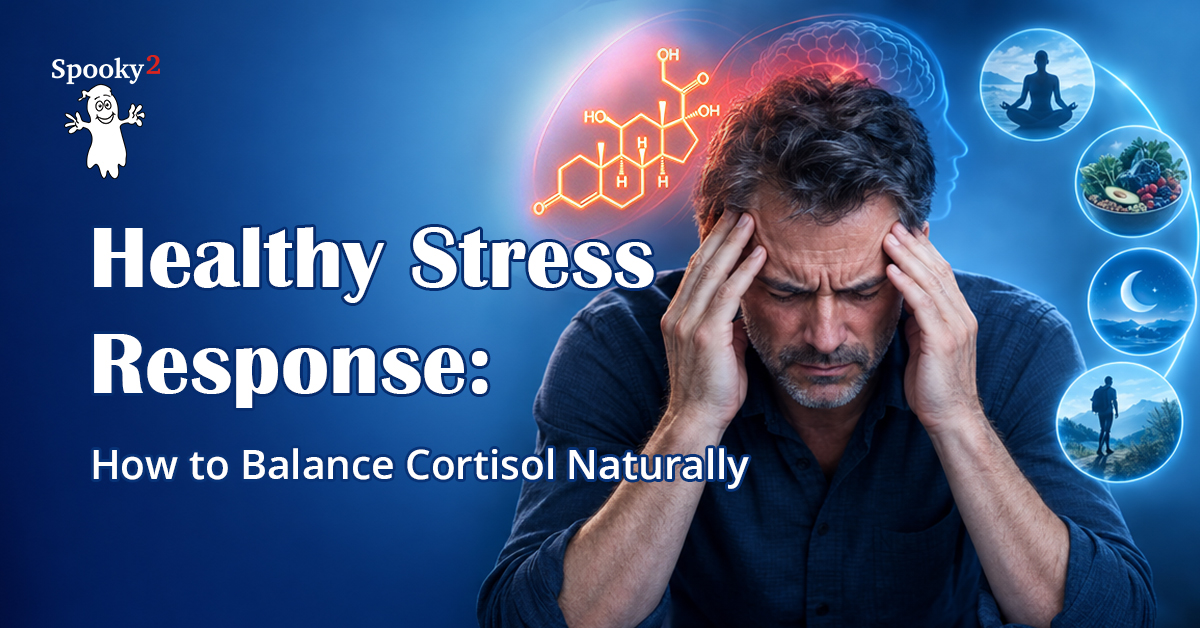
Cortisol has become a buzzword these days, with “high cortisol levels” often portrayed as something we should fear.
But cortisol itself is not our enemy. In fact, our bodies need it. Often called the “stress hormone,” cortisol plays an essential role in helping us respond to challenges, regulate energy levels, and maintain many important bodily functions.
Rather than simply trying to lower cortisol, what really matters is maintaining a healthy cortisol rhythm—one that helps us meet everyday challenges and wind down when it’s time to rest.
When Stress Starts Showing Up in the Body
You may not notice cortisol itself, but you may notice changes in how your body responds to stress.
Perhaps you feel “tired in the day but wired at night,” wake up feeling exhausted, or find yourself relying more heavily on morning coffee to get going. During stressful periods, you might also crave sugary or high-calorie foods, struggle to concentrate, or feel more irritable. Over time, some people may notice slower recovery after exercise, changes in blood sugar, or weight gain around the abdomen.
These changes do not necessarily mean your cortisol levels are too high. However, they may be signs that ongoing stress is affecting your body’s natural balance, making it worth paying closer attention to your cortisol rhythm and overall stress response.
What Can Affect Cortisol Levels?
Our bodies constantly adjust cortisol levels in response to changes both within us and in the world around us.
- Stress
Stress is one of the most significant factors influencing cortisol levels. Work deadlines, financial concerns, relationship difficulties, caregiving responsibilities, uncertainty, and even constant notifications can keep the body in a heightened state of alertness. While short-term stress is a normal part of life, prolonged stress can keep both the mind and body responding to ongoing demands, leaving little time to wind down and recover. - Sleep
Sleep and cortisol are closely connected. Normally, cortisol levels peak shortly after waking and gradually decline throughout the day, reaching their lowest point around bedtime. However, irregular sleep schedules, poor sleep quality, and insufficient sleep can disrupt this natural rhythm. At the same time, stress can interfere with sleep, making it harder to fall asleep or stay asleep. A restless night can leave us more vulnerable to stress the next day, which may further disrupt our sleep and keep the cycle going. - Caffeine
Coffee and other caffeinated drinks stimulate our nervous system and can temporarily increase alertness and cortisol levels, giving us that familiar “energy boost.” However, too much caffeine, especially later in the day, may leave us feeling restless, tense, or unusually alert at night. If this sounds familiar, it may be worth paying attention to both how much caffeine you consume and when you consume it. - Food
Skipping meals or eating too little may cause blood sugar to drop, prompting the body to release cortisol to help bring it back up. Frequent sugary or oversized meals may also lead to blood sugar fluctuations, affecting our energy levels and how we feel throughout the day. Meanwhile, relying heavily on highly processed foods may leave us short of essential nutrients that support normal metabolism and the body’s natural stress response. - Exercise
Exercise is generally beneficial for both physical and mental well-being, but it is also a form of physical stress. Intense exercise can temporarily raise cortisol levels, which is a normal part of the body’s response to physical activity. However, consistently pushing yourself too hard, especially when combined with insufficient sleep, inadequate nutrition, and limited recovery time, may place additional stress on the body and disrupt its natural cortisol rhythm. - Other Physical Stress
Cortisol also responds to physical challenges within the body. Illness, infection, inflammation, injury, and pain can temporarily increase cortisol levels as part of the body’s natural stress response. Certain medications, substances, and hormonal changes can also influence cortisol production.
Understanding these factors can help us recognize what may be quietly influencing our cortisol levels, and take practical steps to help our bodies find their way back to balance.
Simple Ways to Support Your Cortisol Rhythm
Cortisol is not your enemy. Rather than trying to keep it “as low as possible,” the healthier goal is to maintain balance and flexibility. And that can start with simple daily habits that give your body more opportunities to rest and recover from the demands of modern life.
Pay Attention to What You Eat
During stressful moments, reaching for another coffee or energy drink can be tempting. But it’s worth paying attention to how much caffeine you consume and when, especially if you find it difficult to wind down even when your body feels tired. Try limiting caffeine in the late afternoon and evening to protect your sleep and natural cortisol rhythm.
What you eat also matters. Your body’s stress response is partly regulated by the hypothalamic-pituitary-adrenal (HPA) axis, a communication network that controls cortisol release. While no single food can balance cortisol on its own, a nutritious diet helps provide the energy and nutrients your body needs for healthy stress regulation. Here are some simple habits to try:
- Keep your blood sugar relatively stable: Avoid skipping meals too often and try to include enough protein, fiber, and complex carbohydrates.
- Get enough B vitamins and vitamin C: Add whole grains, eggs, leafy greens, citrus fruits, and bell peppers to your meals to support normal metabolic rhythms.
- Include magnesium- and zinc-rich foods: Snack on nuts or pumpkin seeds, and include beans, lentils, and leafy greens to support healthy nervous system function.
- Eat mindfully and stay hydrated: Drink water regularly, slow down during meals, and avoid relying on sugary snacks or overly large meals when stressed.
Balance Exercise With Rest
Regular exercise can support sleep, mood, cardiovascular health, and resilience to stress. But more is not always better.
Pushing your body too hard without allowing enough time for rest and recovery can place additional stress on your system. If you’re already feeling exhausted or overwhelmed, a walk, gentle stretching, or lighter activity may sometimes be more restorative than another intense workout. Remember, rest is just as important as movement, so give yourself permission to slow down when your body needs it.
Keep a Consistent Sleep-Wake Schedule
Going to bed and waking up at similar times each day helps keep your body’s internal clock on track, supporting the natural rhythm of hormones like cortisol. A good night’s sleep also gives your body time to recover and helps you feel more prepared for everyday challenges. Meanwhile, natural morning light signals to your brain that it’s time to wake up and start the day.
Try creating a calming bedtime routine by dimming the lights and setting aside stimulating activities like scrolling through your phone, working, or catching up on the news. Give yourself some quiet time to unwind before bed, and aim to spend some time in natural daylight within the first hour after waking.
Create Small Recovery Moments
We all have moments when life feels overwhelming. But you don’t need an hour-long meditation session to give your nervous system a break. Even a few quiet minutes can help you step away from the constant stimulation of daily life and ease into a calmer state. These small pauses create space for your body to rest and recover between busy moments. Building them into your evening routine can also help signal to your brain that it’s time to slow down and prepare for sleep.