
Remote Mode has become one of the most widely used features in the Spooky2 ecosystem. It requires no physical contact, no internet connection, and no proximity to the user. Instead, a small piece of stable DNA—usually a fingernail—is placed inside the Remote unit connected to a Spooky2 generator. For many families, this simple setup allows 24/7 supportive frequencies for themselves, their children, and even loved ones living across the world.
Below are two real case studies shared in the Spooky2 Facebook community. These experiences highlight how Remote Mode fits naturally into daily life and why so many users continue to rely on it.
Case Study 1: Supporting a Child’s Sudden Fever
One parent shared an experience that caught the attention of the entire community. Their 7-year-old daughter suddenly developed symptoms of hand, foot, and mouth disease, including a fever of 104°F (40°C) and visible skin spots. Worried and unsure what else to do, the parent collected a small fingernail clipping from the child, placed it into the Spooky2 Remote, and started running relevant frequency programs.
Within just a few hours, the parent noticed two clear changes:
- The fever dropped significantly
- The spots on the skin began to fade
This sparked a long, meaningful conversation among users. Rather than debating the story, members shared their own remote experiences and clarified how the system works.
Key Takeaways from the Community Discussion
1. Remote Mode does not use the internet.
Many newcomers assume it works like Wi-Fi. Long-time users explained clearly:
Remote Mode does not transmit frequencies online—it interacts with the DNA sample inside the Remote device.
2. Remote is often used across long distances.
One user runs pain and sleep frequencies for her elderly mother who lives 16,000 km away. Her mother can tell when the generator stops, even from another continent.
3. Shared DNA may lead to shared effects.
Parents commented that when they run Remote programs for their children, they often feel improvements themselves, especially with sleep, immunity, or detox support.
4. Supportive frequencies during community outbreaks.
Several members shared what they ran during local HFMD exposure. One parent offered a particularly useful insight based on biofeedback:
“We ran biofeedbacks for us when foot and mouth was in our community and we were exposed, and the coxsackie A16 came up. Hope that helps.”
This feedback shows how many families use biofeedback as a quick way to identify which viral or immune-related frequencies may be helpful when something is circulating in the community. When a BFB scan reveals a specific virus—like Coxsackie A16, commonly associated with HFMD—users often combine those results with Remote Mode, immune system presets, or Terrain for more focused support.
5. For many families, Remote Mode is the simplest way to support children.
The ability to run frequencies day and night—without wires or supervision—makes Remote a practical option for busy households.
If you would like to read the original community discussion, you can view it here.
Case Study 2: One Year of Remote Support for Dental Health
Another powerful story came from a user named Brenda, whose dental journey resonated deeply with the community. A year earlier, she was told she had a cavity in a tooth that had already been filled twice. Because of the existing fillings, the dentist recommended a crown—an expensive procedure costing around $1600 and not covered by her insurance.
Instead of moving forward immediately, she decided to consistently use Remote Mode. Over the next 12 months, she ran:
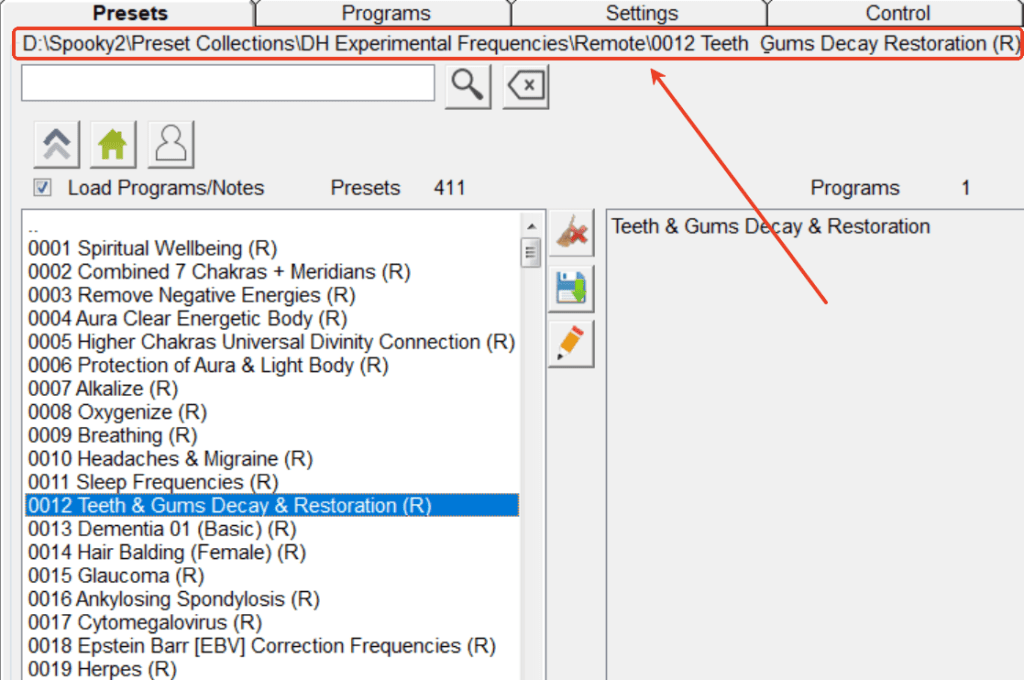
- DH experimental frequencies for Teeth & Gums Decay and Restoration
- Biofeedback results related to dental foci, cavities, and decay
- Occasional audio frequencies made for oral regeneration
If you would like to download the software or explore the DH Experimental Presets yourself, you can access them here.
She also had a history of mold exposure and toxin issues, so she repeated the Terrain protocol over time to reduce her overall toxic load.
When she went back to the dentist for a follow-up appointment—including fresh X-rays—the results surprised even her:
- The cavity that originally required a crown was gone
- Her gum disease had resolved
- The hygienist confirmed her gums looked healthy
She admitted she was “a doubting Thomas,” and even planned to get a second opinion—not out of disbelief, but as a responsible step. Her transparency made the post especially credible and relatable.
Key Insights from Her Experience
1. Remote Mode is ideal for long-term programs.
Dental issues and gum health often require extended support. Remote Mode allows continuous operation without interrupting daily activities.
2. Terrain plays an important role.
She repeated it multiple times over several years, especially when biofeedback scans detected toxins or parasites.
3. Biofeedback + Remote is a common combination.
Many users echoed that they run BFB findings at least once per day.
4. Remote Mode offered consistency she couldn’t achieve otherwise.
The ability to run programs overnight and during work hours made year-long support possible.
This case demonstrated how Remote Mode can integrate into long-term wellness routines where slow, steady support makes a meaningful difference.
If you would like to read the original community discussion, you can view it here.
What These Two Case Studies Reveal About Remote Mode
From acute issues like fever and viral symptoms to long-term concerns like gum health, several patterns emerge:
1. Remote Mode fits real lifestyles.
Parents, caregivers, and busy adults appreciate being able to support wellness 24/7 while working, sleeping, or traveling.
2. It enables long-distance care.
Many users run programs for family members living in another city—or even another country.
3. It is gentle, continuous, and steady.
While Contact Mode may feel stronger for some users, Remote Mode is often preferred for long, multi-day or multi-week programs.
4. Users observe effects at different paces.
- Acute discomfort → sometimes hours or overnight
- Chronic or structural issues → months or longer
5. Remote Mode becomes part of daily life.
For many, it’s simply always on—a quiet source of support in the background.
Conclusion: Remote Mode as a Practical Companion for Everyday Wellness
These two community stories show how Remote Mode naturally integrates into people’s lives—supporting children during sudden discomforts, helping adults manage long-term wellness routines, and enabling care for loved ones who live far away.
While each experience is personal and unique, the consistency of shared stories across the Spooky2 community highlights why Remote Mode remains one of the most appreciated features: it brings simple, continuous, and accessible frequency support into the homes of thousands of families.
Want to learn more from real users who share daily tips, success stories, and setup ideas? Join our Spooky2 community here.

