
Have you ever walked into a room and forgotten why you went there? Or paused mid-sentence because a familiar name or word suddenly would not come to mind?
These small moments are easy to dismiss in the rush of daily life, but they may become more noticeable as we get older. Some of these changes are part of normal aging. Over time, the brain naturally changes, and we may notice slower recall, reduced processing speed, or greater difficulty switching between tasks.
But that does not mean there is nothing we can do. Thanks to neuroplasticity, the brain continues to respond, learn, and adapt throughout life. Lifelong cognitive wellness is not about thinking exactly as you did at 25. It is about building habits that help you stay curious, engaged, independent, and mentally active as you age.
Is Your Cognitive Function Changing?
Occasional forgetfulness happens to everyone. What matters more is whether you notice a meaningful change from your usual patterns. You may want to pay closer attention to your cognitive wellness if you frequently notice:
- Forgetting appointments, conversations, or important dates
- Misplacing familiar items more often
- Taking longer to recall names or words
- Losing your train of thought during conversations
- Finding it harder to concentrate on longer tasks
- Feeling overwhelmed when processing too much information at once
- Needing more time to learn new technology or skills
- Relying more heavily on reminders
- Losing interest in mentally or socially engaging activities, including meeting new people
- Having more difficulty managing or regulating emotions
This checklist can work as a simple reminder to help you recognize possible changes in your cognitive patterns and consider whether your daily habits are giving your brain enough support to adapt and stay engaged.
However, sudden, severe, or rapidly worsening changes should always be discussed with a qualified healthcare professional.
What Shapes Cognitive Wellness Over Time?
Genes and age are part of the picture, but they are far from the whole story.
The brain does not function in isolation from the rest of the body or from the way we live. Its ability to adapt through neuroplasticity is influenced by many of our everyday experiences, including how we sleep, move, eat, communicate, work, learn, and interact with technology. That is why paying attention to these lifestyle factors can play an important role in building and maintaining lifelong cognitive wellness.
Sleep: Give the Brain Time to Reset
Sleep is not simply downtime. While you sleep, the brain remains active, processing information, organizing memories, and preparing for the next day.
Sleep also supports the glymphatic system, a pathway that helps with the clearance of metabolic waste from the brain. This overnight maintenance process becomes particularly active during deep, slow-wave sleep, which is one reason quality sleep matters far beyond simply feeling rested. For more information regarding the glymphatic system, you can read this blog.
As we get older, sleep may become lighter or more fragmented, making healthy sleep habits even more important. Helpful practices include:
- Keeping a reasonably consistent sleep and wake schedule
- Allowing enough time for uninterrupted rest
- Reducing stimulation from screens and mentally engaging activities before bedtime
- Maintaining a quiet, dark, and comfortable sleep environment
Physical Activity: Maintain the Mind-Body Alignment
The brain depends on a steady supply of oxygen and nutrients delivered through the circulatory system. Regular movement supports this process while also engaging functions such as coordination, balance, spatial awareness, and motor planning. These activities help keep the brain actively involved and support the processes behind neuroplasticity.
This becomes increasingly important as we age, when daily routines may become more sedentary because of work, reduced mobility, or lifestyle changes. But you do not need intense workouts to benefit from movement. Walking, gardening, dancing, cycling, moderate strength training, and other light forms of exercise can all help keep the body and brain engaged.
The goal is simple: move regularly and avoid letting long periods of inactivity become the default.
Nutrition and Hydration: Support the High-Demand Organ
The brain is, in fact, one of the most energy-demanding organs in the body. It requires a substantial amount of energy and relies on a steady supply of nutrients to function well. Instead of focusing on one particular “brain food,” it is more useful to look at the overall pattern of your diet.
Hydration matters too. Even mild dehydration can leave us feeling tired, sluggish, or less focused, and thirst signals may become less noticeable with age. Consider these simple priorities:
- Eating a wide variety of colorful foods
- Including adequate protein
- Choosing healthy sources of fat
- Drinking water regularly
- Including more whole foods in your diet and limiting reliance on highly processed convenience foods
Social Connection: Keep Your Brain in the Conversation
A good conversation is surprisingly demanding on the brain. When you are engaged with someone, you listen, interpret tone and facial expressions, retrieve memories, choose words, respond emotionally, and follow changing ideas, often all at the same time.
Social interaction therefore provides both emotional connection and mental stimulation. This matters throughout life, but it can become especially important later on. Retirement, relocation, reduced mobility, or changes in family structure may gradually reduce opportunities for regular interaction.
Talking with family or friends regularly, even through video calls, can help maintain connection. Joining clubs, local community groups, sharing hobbies with others, or volunteering are also meaningful ways to stay socially engaged. The key is to have regular, genuine interaction that keeps your mind connected and stimulated.
Mental Stimulation: Keep Giving the Brain Something New
The brain responds to stimulation and challenge. When you encounter unfamiliar information or learn a new skill, your attention increases, new neural connections can form, and the brain has to retrieve, organize, and store information. That is why lifelong learning matters.
Learning a new language, playing a musical instrument, becoming familiar with new technology or trends, reading about unfamiliar topics, or doing creative work are all useful ways to keep the brain active and engaged.
New experiences matter too. Visit unfamiliar places, take a different route, cook something new, or talk with people whose experiences differ from your own. These experiences not only give the brain fresh stimulation, but also help you stay mentally flexible, curious, and connected with the world around you.
Digital Balance: Protect Your Attention
Your brain needs stimulation to stay active, but the quality of that stimulation matters too. Technology gives us extraordinary access to information, learning, and communication. At the same time, constant digital input can fragment attention and make sustained focus and deeper thinking more difficult.
Endless passive consumption is very different from meaningful information input. Doomscrolling through social media and repeatedly switching between messages, news, and shorts may feel mentally stimulating, but this constant stream gives the brain little time to settle into deeper focus, process information, and reflect on what it has just consumed.
The issue is not simply screen time. It is how that screen time is used. Ask yourself:
- Am I choosing content, or just scrolling?
- Can I finish an article or video without checking something else?
- Is screen time replacing sleep, movement, conversation, or hobbies?
- How much of what I consume do I actually remember?
Use technology intentionally. Turn off unnecessary notifications, create phone-free periods, and make room for longer-form reading, meaningful learning, and uninterrupted thought.
A Sharper Mind Is Built Over Time
There is no single factor that determines how well your brain functions or adapts over time. Cognitive wellness is shaped by the combined effects of sleep, movement, nutrition, social connection, attention, curiosity, and recovery. These choices may seem small on their own, but over time, they create the environment in which your brain continues to learn, adapt, and stay engaged with the world.
Keep moving. Keep learning. Keep connecting with others. Protect your attention. And give your brain time to rest.
Aging changes the brain, but curiosity, learning, and engagement do not have an expiration date.
Explore Spooky2 Frequency Technology
-

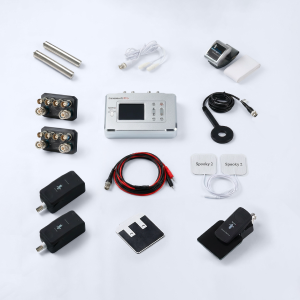
Spooky2 Scalar GeneratorX Pro Essential Kit
$2,288.00 – $2,457.00Price range: $2,288.00 through $2,457.00 This product has multiple variants. The options may be chosen on the product page -

Spooky2 Portable Central Plasma GeneratorX Pro Kit
$2,828.38 – $3,128.38Price range: $2,828.38 through $3,128.38 This product has multiple variants. The options may be chosen on the product page

-
Spooky2 Scalar GeneratorX Pro Essential Kit
$2,288.00 – $2,457.00Price range: $2,288.00 through $2,457.00 This product has multiple variants. The options may be chosen on the product page -
Spooky2 Portable Central Plasma GeneratorX Pro Kit
$2,828.38 – $3,128.38Price range: $2,828.38 through $3,128.38 This product has multiple variants. The options may be chosen on the product page
Disclaimer: Spooky2 products are not medical devices and are not intended to diagnose, treat, cure, mitigate, or prevent any disease or medical condition. Always consult a qualified healthcare professional regarding any medical condition.