
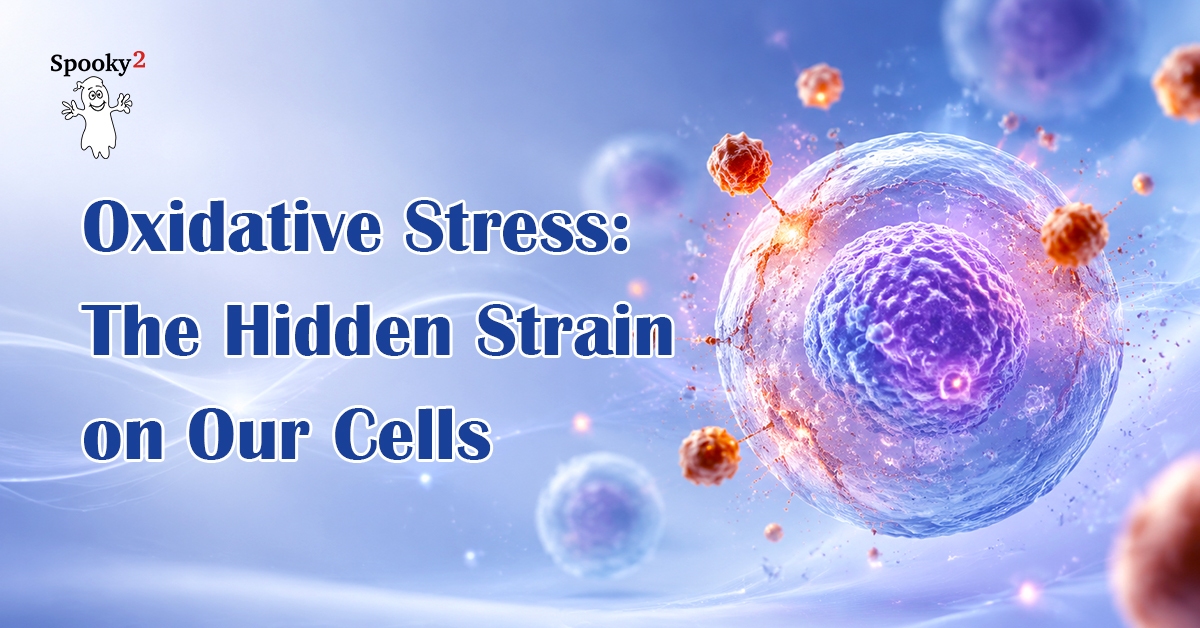
Every second, your body relies on oxygen to produce energy, maintain essential functions, and keep your cells working properly. But the same processes that sustain life can also generate reactive molecules capable of damaging cells when their levels become excessive.
This imbalance is known as oxidative stress. In this article, we’ll explore what oxidative stress is, how it affects your body, and how you can support your body’s natural balance.
What Is Oxidative Stress?
Oxidative stress occurs when the production of reactive oxygen species (ROS) exceeds the body’s ability to regulate them and repair the damage they may cause. ROS include free radicals (atoms or molecules with unpaired electrons) as well as other reactive compounds.
ROS are naturally produced as part of normal cellular metabolism and during immune responses. Certain environmental exposures can also increase their production. In controlled amounts, ROS play essential roles in normal biological processes, including cell signaling and immune defense. However, excessive levels can damage cellular structures and interfere with normal cell function.
Fortunately, your body has built-in antioxidant defenses that help regulate reactive molecules and protect cells from excessive oxidative damage. Think of oxidative balance as a continuous balancing act: ROS are produced, antioxidant systems help keep them in check, and cellular repair mechanisms address the damage that occurs. When these protective systems struggle to keep up, oxidative stress develops.
How Oxidative Stress Influences Our Well-Being
When ROS production exceeds the body’s natural antioxidant defenses and its ability to repair damage, excessive reactive molecules can interfere with important cellular structures and functions.
One major target is DNA, which carries the genetic instructions that guide normal cell function. ROS can also affect proteins, including enzymes responsible for essential chemical reactions. In addition, they can damage the fats that make up cell membranes through a process called lipid peroxidation. Although cells have natural repair and replacement mechanisms, damage may accumulate when these systems cannot keep pace.
Oxidative stress also has a close relationship with inflammation. Excessive ROS can activate inflammatory pathways, while ongoing inflammatory activity can generate more ROS. Under certain circumstances, these processes reinforce one another, contributing to prolonged cellular and tissue stress.
Over time, oxidative damage and changes in cellular defenses can contribute to aging. Researchers have studied their effects on mitochondrial function, DNA maintenance, and cellular senescence—a state in which cells stop dividing but remain metabolically active. Some senescent cells release inflammatory substances that can affect surrounding tissues, contributing to age-related changes.
These cellular processes are also being investigated in relation to several important areas of health:
- Cardiovascular health: Oxidative stress can affect blood vessel function and contribute to processes involved in vascular inflammation and atherosclerosis.
- Brain health: Because the brain uses substantial amounts of oxygen and contains oxidation-sensitive lipids, researchers are investigating the role of oxidative stress in neurological changes and neurodegenerative conditions.
- Metabolic health: Oxidative stress can interact with inflammation and insulin-signaling pathways, potentially influencing how the body regulates blood glucose and responds to insulin.
What Causes Oxidative Stress?
Oxidative stress can arise from normal biological activity, environmental exposures, and everyday habits. These influences often overlap and can affect the body’s ability to maintain oxidative balance.
1. Normal Cellular Metabolism
Mitochondria, often described as the body’s energy-producing centers, use oxygen to help convert nutrients into adenosine triphosphate (ATP), the molecule that powers many cellular activities. During this process, small amounts of ROS are naturally generated. Under normal conditions, the body’s antioxidant systems help keep them under control.
2. Environmental Exposures
Certain environmental factors can increase the production of reactive molecules or interfere with the body’s protective systems. Repeated or prolonged exposure can place additional demands on the body’s antioxidant defenses. Common examples include:
- Cigarette smoke and secondhand smoke
- Air pollution and certain environmental toxins
- Excessive ultraviolet (UV) radiation
- Certain chemicals and heavy metals
3. Chronic Inflammation
Inflammation is part of the immune system’s natural response to injury and infection. During an inflammatory response, immune cells produce ROS to help defend the body against harmful microorganisms. However, when inflammation becomes persistent, continued ROS production may add to the body’s oxidative burden and contribute to tissue stress.
4. Lifestyle Factors
Everyday habits can also influence oxidative balance. Excessive alcohol consumption, inadequate sleep, and poor dietary patterns may increase oxidative stress or weaken the body’s natural protective defenses. These factors often interact with one another, making overall lifestyle patterns more important than any single habit.
How to Support a Healthy Oxidative Balance
Your body already has sophisticated systems for regulating reactive molecules and repairing cellular damage. Consistent lifestyle habits can help reduce unnecessary oxidative stress and support these natural protective processes.
1. Reduce Harmful Exposures
Reducing contact with substances and environmental factors that contribute to oxidative stress is an important first step. Avoid tobacco smoke, limit alcohol consumption, protect your skin from excessive UV radiation, and minimize exposure to air pollution and harmful chemicals where practical. These measures can help reduce additional demands on your body’s natural antioxidant defenses.
2. Build a More Antioxidant-Rich Diet
A balanced diet provides vitamins, minerals, and beneficial plant compounds that support cellular health and the body’s natural antioxidant defenses. Consider including a variety of:
- Berries and citrus fruits: Rich in vitamin C and beneficial plant compounds.
- Leafy green vegetables: Supply carotenoids and other protective nutrients.
- Nuts and seeds: Good sources of vitamin E and essential minerals.
- Whole grains and legumes: Provide fiber, minerals, and a variety of beneficial plant compounds.
3. Stay Physically Active
Exercise temporarily increases ROS production, but it also stimulates beneficial adaptations that strengthen the body’s natural defenses. Regular activities such as walking, swimming, and cycling can also promote cardiovascular and metabolic health. Start at a comfortable level and gradually build a routine that works for you.
4. Prioritize Quality Sleep
Sleep plays an important role in immune regulation, metabolism, and cellular maintenance. Most adults benefit from around 7–9 hours of sleep per night. Maintaining consistent sleep and wake times, creating a comfortable sleeping environment, and limiting late-night disruptions can help improve sleep quality.
5. Make Time for Relaxation
Long-term psychological stress can also influence hormonal and inflammatory pathways associated with oxidative stress. Activities such as meditation, breathing exercises, spending time outdoors, and gentle movement can help ease everyday stress and promote overall well-being.
Explore Spooky2 Frequency Technology
-

Spooky2 Scalar GeneratorX Pro Essential Kit
$2,288.00 – $2,457.00Price range: $2,288.00 through $2,457.00 This product has multiple variants. The options may be chosen on the product page -

Spooky2 Portable Central Plasma GeneratorX Pro Kit
$2,828.38 – $3,128.38Price range: $2,828.38 through $3,128.38 This product has multiple variants. The options may be chosen on the product page


-
Spooky2 Scalar GeneratorX Pro Essential Kit
$2,288.00 – $2,457.00Price range: $2,288.00 through $2,457.00 This product has multiple variants. The options may be chosen on the product page -
Spooky2 Portable Central Plasma GeneratorX Pro Kit
$2,828.38 – $3,128.38Price range: $2,828.38 through $3,128.38 This product has multiple variants. The options may be chosen on the product page
Disclaimer: Spooky2 products are not medical devices and are not intended to diagnose, treat, cure, mitigate, or prevent any disease or medical condition. Always consult a qualified healthcare professional regarding any medical condition.