
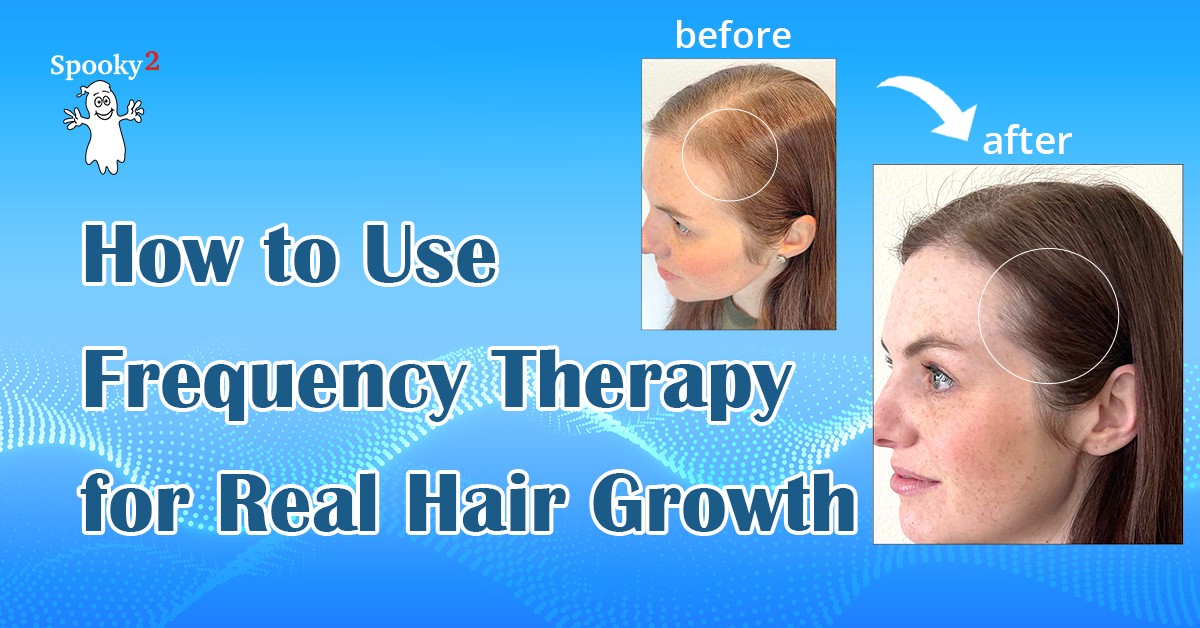
Hair thinning doesn’t happen overnight. Maybe your part is getting wider, or the front of your scalp feels more exposed in photos. No matter the reason—stress, hormones, age, or something else—losing hair can feel like losing a part of yourself. And if you’ve tried shampoos, supplements, or even medications with little success, you’re not alone.
That’s why more people are quietly turning to a different kind of support: frequency therapy—a gentle, non-invasive way to help the body do what it was built to do—regrow. This blog is for anyone wondering whether frequencies can truly support hair growth, which programs are effective, how long it takes to see results, and what steps to take when progress feels slow.
We’ll walk you through how frequency therapy is being used in real-life cases, what works for different types of hair loss, and how to avoid common mistakes along the way. If you’ve been looking for a safe, step-by-step way to support hair regrowth from the inside out—without adding more stress to your routine—this blog is for you.
Understanding Frequency Therapy for Hair Growth
Before we dive into programs and presets, it’s important to understand why frequency therapy is even being used for hair growth in the first place. Frequency therapy works by delivering gentle, targeted vibrational signals to the body. These signals are believed to interact with biological systems in a way that supports healing—not by forcing change, but by reminding the body how to rebalance itself.
For hair growth specifically, users have reported that frequencies may help:
- Improve scalp circulation, bringing more nutrients to hair follicles
- Support cellular regeneration within dormant follicles
- Balance hormonal and immune-related disruptions that can lead to hair loss
- Calm stress-related tension in the head and neck area
Unlike medications or topical products, frequency therapy doesn’t rely on absorption or chemical reactions. Instead, it works by aligning the body’s natural rhythms—making it a non-invasive option for long-term support. Some users report early signs like scalp tingling or reduced shedding within a few weeks. Others see visible regrowth after several months of consistent use. Results vary based on the underlying cause of hair loss, but many users agree: once the body starts responding, change can feel both surprising and empowering. Now that we’ve covered the why, let’s look at the questions people ask before they start.
Top 4 Questions People Ask Before Trying Frequency Therapy for Hair Growth
If you’re thinking about using frequency therapy to support hair growth, you probably have a few questions—especially if nothing else has worked for you. Let’s walk through five of the most common concerns people have before they start. Understanding these early on can help you use frequency therapy more effectively—and avoid the trial-and-error many others went through.
This is one of the first questions new users ask, and the answer depends on what’s causing your hair thinning.
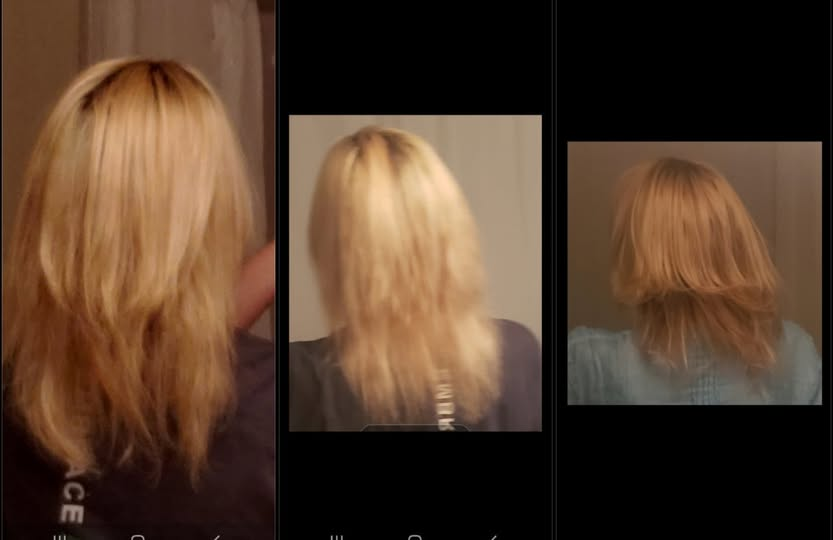
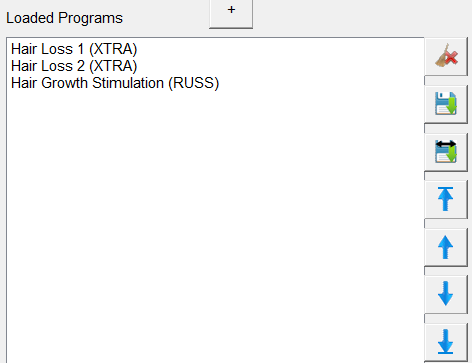
Hair Loss (XTRA) is often used for sudden or stress-induced shedding, like what Tracy experienced after removing hair extensions.
“This is 4 weeks. I was crushed when the extensions came out and my hair looked the way it did. Now it’s growing like crazy.”— Tracy Starratt on Facebook
Hair Growth Stimulation (RUSS) is typically chosen for long-term thinning or slow-growing hair.
Tip: Some users run both in a sequence using a custom preset. Others rotate them every few days. If you’re not sure where to start, begin with Hair Loss (XTRA) and monitor how your scalp responds.
Hair regrowth is a slow process. For some people, results show up in 4–6 weeks. For others, it may take 3–6 months, especially if the hair follicles are in a dormant phase.
That’s why we created a visual breakdown of what influences results:
- External damage (e.g. extensions) → fastest response
- Hormonal or stress-related loss → moderate
- Drug-induced or age-related → slow but possible
- Genetic or long-term pattern loss → most gradual
Want to learn more about what affects your rate of progress?
Read: Why Your Hair Is Falling Out
Many experienced users say yes—and for good reason. Trying to run a Hair Growth program on a system full of toxins can lead to setbacks. One user shared that her shedding got worse when she skipped detox, and improved after starting Detox.
“I learned the hard way—my hair fell out faster during week 3. Once I added detox, things calmed down.”
— Shared in Spooky2 group discussion
Running a detox first can help your body absorb frequency programs better and prevent reactions like scalp itching, temporary shedding, or fatigue.
Scalp tingling or itching is often a good sign—it suggests increased blood flow and follicle activity.
Ante, who used a custom molecular frequency targeting Pyruvate Hydrogenase, described this as a key milestone:
“My scalp started tickling and then my hair started growing like crazy.”
— Ante’s full post
Temporary increased shedding can also happen, especially in the first few weeks. This may be your body clearing out weak hairs to make room for stronger ones. But if it lasts longer than 3 weeks, consider adjusting your protocol. For help telling the difference between a healing reaction and a problem, read: How to Help Hair Loss Using Spooky2
The Three-Layer Strategy Users Are Exploring for Hair Growth
When it comes to using frequency therapy for hair growth, there’s no one-size-fits-all program. But after reviewing many real stories from the Spooky2 user community, a general pattern has emerged—one that’s helped people see better results, avoid setbacks, and understand what their hair really needs. This isn’t an official rulebook—it’s a user-developed strategy, shaped by trial and error, shared insights, and months of consistent practice.
Many users who jumped straight into Hair Growth programs without detoxing ran into issues—like itching, fatigue, or worse, shedding. But those who started with Terrain or detox programs often found their bodies more responsive and stable.
Common programs people use:
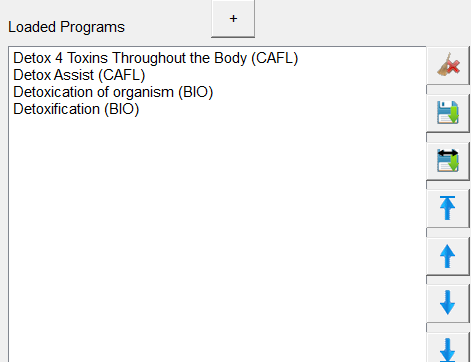
User Insight: Even if you feel fine, your body might still carry stress, chemical buildup, or inflammation that interferes with regrowth. Some treat detox as “preparing the soil.”
Hair loss doesn’t always come from the scalp itself. Based on different causes—like stress, aging, medications, or hormone shifts—users have developed different combinations to support deeper systems.
These aren’t strict pairings—just combinations that have shown results for many users. Feel free to adapt based on your experience.
This is where users focus on creating a scalp environment where hair feels safe to grow again. Programs people keep in rotation:
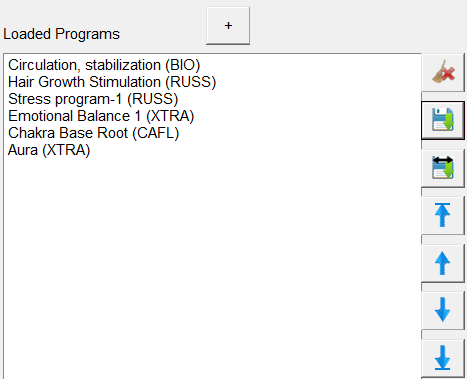
From the group: Scalp tingling or warmth during this phase is often reported—and seen as a positive sign of increased circulation.

Common Mistakes to Avoid—Lessons Learned from Real Users
Even though frequency therapy is gentle, many users find that what you do—or don’t do—along the way can make all the difference. Many people in the Spooky2 community have shared what didn’t work for them—and what finally did. By learning from their journeys, you can avoid common roadblocks and make smarter choices from the start.
Here’s what real users have figured out through trial and error:
Some users ran just “Hair Growth” every day for weeks, expecting big changes—but saw little to no progress. What helped instead: Varying the approach. People began rotating Hair Loss (XTRA), Hair Growth (RUSS), and support programs like Circulation or Detox. This helped reawaken scalp response and maintain momentum.
“I thought one program would be enough. It wasn’t until I started rotating and adding Circulation that my scalp came alive.”
— Spooky2 Facebook user
Several users admitted they gave up after two weeks when they didn’t see visible changes. Hair growth is slow and subtle—especially in the beginning. What helped instead: Patience and consistency. Many saw their first signs of regrowth between weeks 4–8, often beginning as less hair in the shower drain or baby hairs at the hairline.
Some focused only on the scalp—without realizing their hair loss was linked to deeper issues like thyroid imbalance, poor gut health, or emotional stress. What helped instead: Adding programs that address root issues. Users who worked on hormones, sleep, or digestion alongside hair protocols often saw better results.
“I used to run hair programs only. Then I added Thyroid Support and Aura Cleanse. That’s when the growth kicked in.”
— Spooky2 Facebook user
Conclusion
Hair loss can be a frustrating and emotional journey, but frequency therapy offers a gentle, empowering way to support regrowth—step by step. As many users have shared, the key isn’t just running one program. It’s about understanding your body, supporting its deeper needs, and adjusting your approach as you go. From detoxing first, to rotating programs, to addressing hormonal or stress-related triggers, frequency therapy becomes most effective when you treat it as a holistic process. And you don’t have to figure it all out alone—learn from the experiences of others, share your own, and stay connected through the Spooky2 community. Your path to healthier hair might be more within reach than you think.


When you talk about rotating the hair loss programs and the support programs how long would you run them (on remote) before you rotated them?
Or do you just put everything in an empty shell preset and let them run one after each other?
Also I’m assuming you run the hairloss programs at the same time as the support program but on a different remote?
Thank you
Hi, thank you for your great questions!
If you’re using a Remote Shell Preset, the programs you add will run one after another, continuously—there’s no fixed time limit. They’ll loop automatically until you stop them.
Yes, you can simply choose a Shell (Empty) Preset > Remote, then load the hair loss and support programs you prefer. They will run in sequence.
Each XM Generator can only run one program chain at a time, so if you want to run hair loss programs and support programs at the same time, you’ll need two XM generators—one for each set, each with its own Remote.
Let us know if you’d like help creating a custom preset or selecting specific support programs—we’re happy to assist!