


Can a digital frequency truly emulate the therapeutic effect of a physical drug?
This question inspired an extraordinary experiment involving Spooky2 technology and a 38-year-old woman living with bladder control issues after a severe spinal injury. The case you’re about to read isn’t just about symptom relief—it’s about exploring how digital molecular equivalents might open a new frontier in healthcare, reducing dependency on costly medication while maintaining quality of life.
Background: Life After Injury and the Search for Alternatives
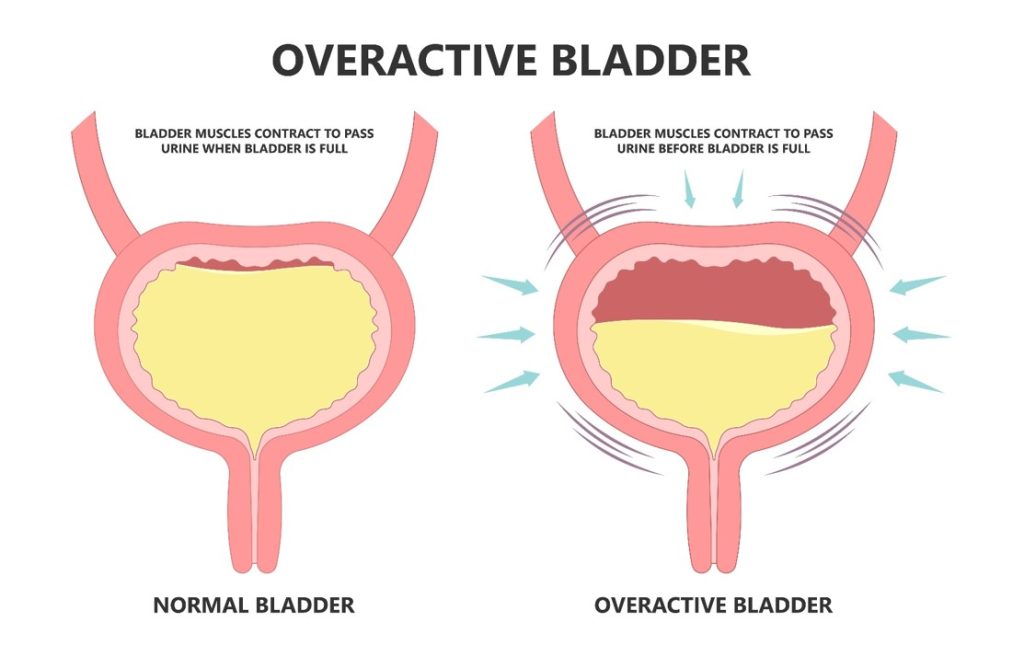
After a car accident, Mrs Q suffered a brain and spinal cord injury that left her paralyzed from the waist down. Alongside mobility challenges, she developed an overactive bladder (OAB), leading to frequent incontinence.
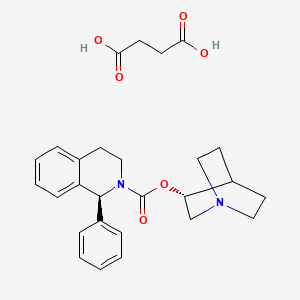
Her doctor prescribed Solifenacin Succinate 10 mg, an antimuscarinic drug that helps control bladder activity (Chapple et al., 2006). Though effective, long-term medication raised two concerns: a wish for more natural support and the rising cost of treatment.
Curious about digital molecular weight imprinting with Spooky2, Mrs Q decided—under medical guidance—to test a digital frequency version of Solifenacin Succinate.
Source: cmuh.cmu.edu.tw
What Is a Molecular Weight Digital Equivalent?
Source: pubchem.ncbi.nlm.nih.gov
The Spooky2 Molecular Weight (MW) Database contains frequencies that mirror the molecular “fingerprints” of substances. When broadcast through Spooky2 devices such as Remote, Coil, or Scalar, these frequencies may convey the informational pattern of the original molecule.
The concept is simple: if every molecule vibrates at a unique frequency, replicating that vibration might evoke a similar biological response—without the physical drug. This idea echoes recent work in Quantum Information Medicine (Norman et al., 2016) and studies on electromagnetic transfer of drug properties into water (Rad & Jalali, 2018).
To better understand how molecular weight frequencies work and how Spooky2 makes them possible, you can read our detailed introduction here.
Method: From Medication to Frequency
To create the digital molecular weight equivalent of Solifenacin Succinate, Mrs Q’s caregivers followed a standard Spooky2 molecular weight imprinting procedure, carefully recording each step and observation.
1. Preparation
A set of blank 250 mg lactose tablets were placed inside a clean glass beaker. These tablets served as the imprinting medium—the “carrier” for the digital molecular frequency of Solifenacin Succinate. The beaker was kept free of metallic materials to prevent electromagnetic interference.
2. Equipment Setup
A Spooky2 XM Generator was connected to a PEMF Coil, which produces a pulsed electromagnetic field capable of transferring informational frequencies. The BN logo on the coil was positioned facing upward, ensuring that the frequency field radiated directly toward the tablets. The glass beaker was placed centrally above the coil at close contact distance.
3. Software Configuration and Preset Selection
In the Spooky2 software, the caregivers selected the “Coil Molecular Weight Emulate” preset, designed specifically for imprinting molecular weight frequencies onto a physical medium.
From the Molecular Weight (MW) Database, they then selected the entry for “Solifenacin Succinate.”
This program encodes the vibrational frequency derived from the molecular weight of the actual drug. The software was set to run in repeat mode, ensuring continuous frequency emission throughout the imprinting session.
💡 Note: The Spooky2 software and Molecular Weight Database are freely available for download at spooky2.com/downloadspage.
4. Imprinting Session
The session was allowed to run continuously for 60 minutes, during which the PEMF coil transmitted the Solifenacin Succinate molecular frequency into the lactose tablets. This imprinting time was based on earlier trials that had identified approximately one hour as optimal for achieving a stable energetic “dose.”
The process was entirely non-contact and non-chemical—only frequency information was transferred.
5. Dosing and Monitoring Plan
Out of caution, Mrs Q decided not to discontinue her medication immediately.
She began with a gradual transition plan:
-
Week 1: Took the digital tablet every third day, alternating with her usual 10 mg Solifenacin Succinate tablet.
-
Weeks 2–3: Increased digital use to every other day.
-
Week 4 onward: Switched fully to the digital equivalent.
Her caregivers maintained a detailed log throughout, noting every instance of bladder activity, leakage, and possible side effects.
This structured observation ensured that any changes in urinary control could be correlated with the transition from the pharmaceutical to the digital molecular weight version.
If you’d like to learn the exact steps of converting molecular weight into frequency and running it in the Spooky2 software, follow our step-by-step guide here.
Results: A Gradual Transition with Consistent Control
The transition unfolded in four stages:
-
Week 1 – Alternate-day trial:
Mrs Q used the digital equivalent every third day. No urinary leakage occurred, even on digital-only days. -
Weeks 2–3 – Increased digital dosing:
She switched to every other day, still reporting full bladder control. -
Week 4 – Complete replacement:
She stopped taking the pharmaceutical version entirely and relied solely on the digital tablets. -
Weeks 5–8 – Sustained results:
Over the next month, neither Mrs Q nor her caregivers recorded a single episode of incontinence. She also reported zero side effects such as dry mouth, dizziness, or constipation—common with Solifenacin medication.
Importantly, in the past, forgetting to take the real medication led to immediate leakage. That pattern made placebo influence less likely, though formal studies are still needed to confirm causation.
Discussion: What Might Explain These Results?
The Spooky2 community has long explored molecular weight imprinting and frequency transfer with many anecdotal successes. This case adds structured documentation to those experiences.
From a theoretical view, every molecule has a distinct vibrational pattern based on its molecular weight and bonds. When this pattern is transmitted electromagnetically or through imprinted media, the body may respond to the information as if it were the original substance.
This reflects a broader idea in energy medicine—moving from chemical interaction to informational resonance. Rather than forcing biochemical reactions, digital frequencies may gently guide the body toward balance.
Still, scientific caution is warranted. Placebo effects, individual sensitivity, and environmental factors cannot be ruled out. Larger, controlled studies are needed to confirm reproducibility, dosing, and stability of digital molecular weight methods.
Significance for Spooky2 Users
For many Spooky2 users managing chronic conditions, this report highlights a potential pathway toward medication reduction under professional supervision. It also demonstrates how responsible experimentation—recording results, observing trends, and respecting medical guidance—can turn personal curiosity into meaningful evidence.
The key lessons for users are:
-
Always work with a healthcare professional when modifying medication routines.
-
Document every change in symptoms and frequency settings.
-
Treat digital molecular equivalents as experimental energetic tools, not guaranteed substitutes for medical drugs.
-
Start gradually—alternate between physical and digital versions before full replacement.
-
Evaluate not just symptom suppression but also overall wellbeing and side-effect profile.
Beyond urinary control, molecular-weight frequencies could one day extend to areas like hormonal balance, neurotransmitter modulation, or anti-inflammatory support. Spooky2’s open-source system makes this frontier uniquely available for safe personal exploration and collective data gathering.
Conclusion
After eight weeks of exclusive use, Mrs Q maintained full bladder control using only the digital molecular equivalent of Solifenacin Succinate, created through Spooky2 technology. No adverse effects occurred, and her quality of life significantly improved.
While a single case cannot prove scientific certainty, it points toward a new dimension of healing—where information, not chemistry, carries therapeutic potential. With careful research and ethical application, digital molecular medicine could evolve from curiosity to a credible complement in the spectrum of holistic health.
If you’d like to read the full original report, click here to access the documented case study and explore more about molecular weight frequency research.
References:
-
Chapple C.R. et al. (2006). Solifenacin significantly improves all symptoms of overactive bladder syndrome. Int J Clin Pract, 60(8), 959–966.
-
Rad I. & Jalali K. (2018). Electronic transmission of antibacterial property into water at extremely low frequency range: A preliminary study. J Altern Complement Med.
-
Norman R.L. et al. (2016). Quantum Information Medicine: Bit as it – The future direction of medical science. World J Neuroscience, 6, 193.

2 questions:
1) Does it have to be lactose / sugar pill ? Can I use water in vial ?
2) Will the coil copy the exact dose of the original med for the 60 mins imprinting? If I’m trying to copy Adderall 30 mg for an hour, don’t want the final product to be 100 mg
Hello Mohamed, great questions!
1) Medium:
It doesn’t have to be a lactose or sugar pill — water in a glass vial works too. Both can hold the frequency imprint.
2) Dose:
The coil does not copy the milligram dosage (e.g., 30 mg). It only transfers the informational frequency of the molecule.
A 60-minute imprint strengthens the pattern, but it won’t create a “stronger” or higher-dose product.
Always treat MW imprinting as an energetic approach, not a direct pharmaceutical substitute. Hope this helps!